Explore the journey — one trail, museum, meal, and memory at a time.
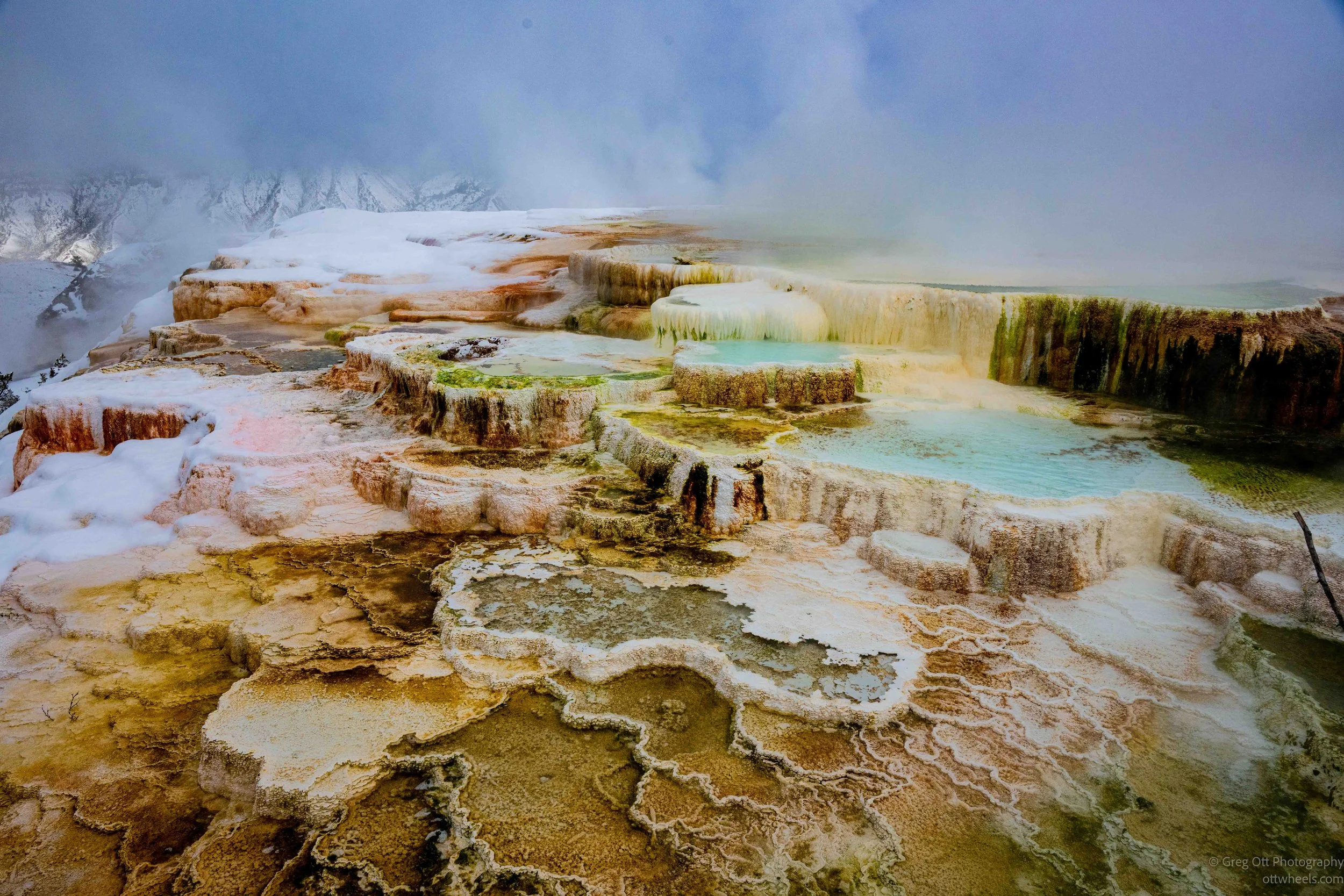
Mammoth Hot Springs in Snow
A cold, rainy October day in Yellowstone turned into another memorable adventure. I explored the colorful terraces at Mammoth Hot Springs, photographed waterfalls and mist-covered landscapes, met travelers from around the world, and encountered bison wandering down the middle of the road. Despite the weather, it was another fascinating day exploring Yellowstone.
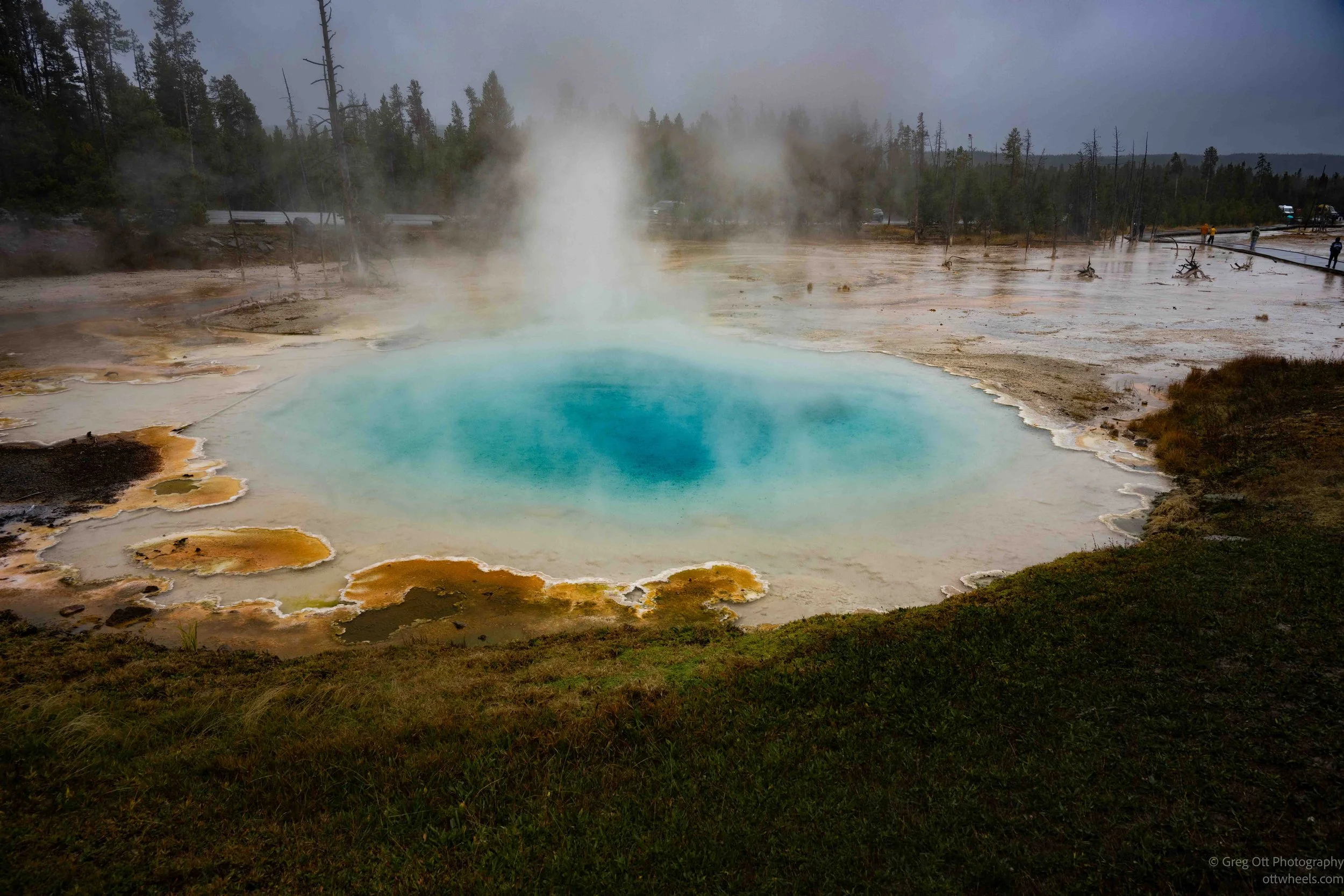
Yellowstone’s Circle of Fire in the Rain
Rain followed us around Yellowstone’s Lower Loop on the Circle of Fire tour. Between wiping my camera dry, photographing waterfalls and steaming pools, and sharing travel stories with fellow passengers, there was plenty to enjoy. Afterward, the drive back to Madison Campground brought more stops for bison, fly fishermen, and steam drifting across the landscape.
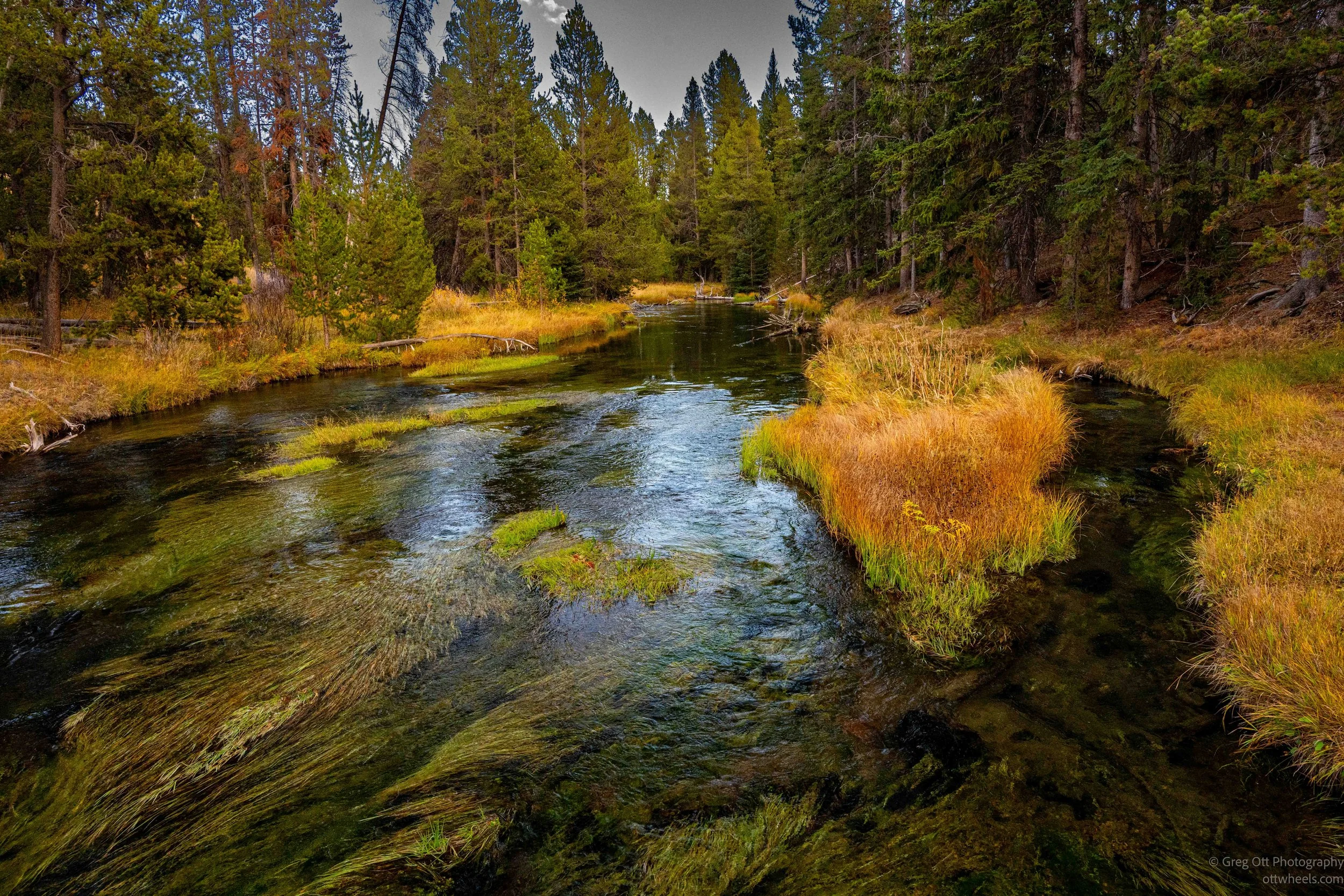
Yellowstone and Old Faithful
A Saturday afternoon in Yellowstone National Park exploring Old Faithful and the surrounding Upper Geyser Basin. With the season winding down, I spent the afternoon photographing colorful geothermal pools, bubbling geysers, mineral formations and drifting steam while learning more about the volcanic forces that created this remarkable landscape.
One Last Day in the Tetons
After several days of hiking, cycling and photography in Grand Teton National Park, I spent my final day exploring Mormon Row and catching up on everyday chores in Jackson, Wyoming. Between showers, laundry, groceries and preparing the van for the next leg of my journey, the day disappeared quickly. I returned to Gros Ventre Campground for one last quiet evening before heading north to Yellowstone National Park.

A Quiet Day in Grand Teton
After a long day hiking around Jenny Lake, I decided to spend my fourth day in Grand Teton National Park doing very little. I slept late, read, organized the van and enjoyed the beautiful autumn weather. When nearby generators interrupted the peace, I drove to a quiet overlook and spent a couple of hours enjoying the mountains in the afternoon sunshine.

A Long Day Hiking Jenny Lake
What began as a planned hike into Cascade Canyon turned into a much longer adventure around Jenny Lake. I photographed Hidden Falls, climbed to Inspiration Point and met a fellow hiker from Costa Rica. As daylight faded, we scrambled across fallen trees and hurried back through the forest. The evening ended with an unexpected search for his car and close encounters with a red fox and five moose.

Cycling Through Grand Teton National Park
My second day in Grand Teton National Park began with freezing temperatures and a moose sighting near Gros Ventre Campground. After several frustrating attempts to find a trailhead, I finally set off on an afternoon bike ride through Jackson Hole. With golden aspens, spectacular views of the Teton Range and temperatures approaching 70°F, it turned into a wonderful day of cycling and photography.

Fall Creek Falls to Grand Teton NP
My journey from Idaho Falls to Grand Teton National Park included a detour to Fall Creek Falls near Swan Valley, where the Snake River winds through a beautiful valley lined with golden aspens. After exploring the falls and photographing the autumn scenery, I continued into Wyoming and settled into Gros Ventre Campground for five nights of hiking, cycling and photography.

Massacre Rocks, Register Rock & Pocatello, Idaho
I started the morning hiking along the Oregon Trail at Massacre Rocks State Park, then stopped at Register Rock to examine signatures left by emigrants more than 150 years ago. Later, I found myself wandering through downtown Pocatello, photographing old buildings, street art, and remnants of the city's railroad past. A chance conversation with a longtime resident revealed stories about the Princess Theatre, Judy Garland, and a downtown that had seen better days.

10/3: Twin Falls
A day exploring Twin Falls, Idaho, took me from the impressive Shoshone Falls to the Perrine Bridge, where I unexpectedly discovered BASE jumpers launching themselves into the Snake River Canyon. I spent time photographing the jumpers before getting on my bike to explore the trails along the canyon rim.

Bruneau Canyon & Twin Falls
A day exploring southern Idaho took me from the remote Bruneau Canyon Overlook through quiet farming communities to Malad Gorge and the crystal-clear waters of Box Canyon. Along the way, I photographed an osprey nest, playful cattle and a horse, and farmers harvesting hay. The evening ended with an Oktoberfest celebration in downtown Twin Falls.

Dedication Point, Bruneau Dunes
A day exploring southwest Idaho took me from the Point Fire Tragedy Memorial to the dramatic Snake River Canyon at Dedication Point and historic Swan Falls Dam. Along the way, I encountered coyotes, pronghorn, and some interesting people. I ended the day at Bruneau Dunes State Park, photographing golden dunes, wildlife along the lake, and the Milky Way late into the night.

Boise: Old Penitentiary & Botanical Garden
A day exploring Boise, Idaho, took me from the fascinating history of the Old Idaho Penitentiary to the late-season flowers and sculpture exhibits at the Idaho Botanical Garden. Along the way, I discovered an elaborately decorated Halloween Jeep, an enormous collection of historic weapons, and a surprisingly lively downtown. I finished the evening with a giant Idaho stuffed baked potato at Spud Daddy and a walk through the city.

Boise River Greenway Bike Ride
What started as a planned 15 mile bike ride along the Boise River Greenbelt turned into a wonderful 43 mile afternoon. The paved trail took me through quiet neighborhoods, wooded parks, along the Boise River, and past people fishing, surfing, walking, and cycling. With beautiful weather and so much to see, I just kept riding. It turned out to be one of my favorite days in Boise.

Idaho's State Capitol
I spent the day exploring Boise, starting with an excellent guided tour of the Idaho State Capitol. The building's marble columns, enormous dome and natural light made it a fascinating place to photograph. After lunch at Funky Taco, I visited the Idaho State Museum, where exhibits on nuclear research, agriculture, technology and Idaho history kept me occupied for several hours. Along the way, I enjoyed unexpected conversations with fellow visitors and learned a few things about places I had already visited during my travels through Idaho. I finished the afternoon photographing wildlife at Kathryn Albertson Park, where the quiet ponds, wildflowers and unusual encounters with people made for an enjoyable evening.

Burned Forests and Idaho City
I expected the drive from Stanley to Boise to be mostly a travel day. Instead, Highway 21 kept giving me reasons to stop. Burned forests covered entire mountainsides, young trees were growing among blackened trunks, and a roadside marker introduced me to Emma Edwards Green. Then I reached Idaho City looking for lunch and ended up spending three hours walking through old streets, reading about gold miners, Chinese merchants, Frank Church, the county courthouse and something I had never heard of before, a pest house. By evening I was finally in Boise, eating pizza, reading about Yellowstone geology and wondering how a simple drive had turned into another full day of discovery.

Day Two Sawtooth National Forest
My second day in the Sawtooths was mostly about slowing down. I woke early near the Salmon River, drove back toward Redfish Lake for morning photography, and spent about ninety minutes watching the light move across the mountains. Later I relaxed beside the lake, read, cooked and took a 12 mile bike ride before returning to the same quiet overnight spot above the river.

Fall in Idaho’s Sawtooth Mountains
I left Hailey expecting a two hour drive to Stanley, but the Sawtooths had other plans. I kept stopping for mountain views, patches of brilliant fall aspens and photographs as the road climbed into the Sawtooth National Recreation Area. At Redfish Lake, I spent a windy evening along the shore photographing White crowned Sparrows and discovered something unexpected about how closely birds watch our eyes. As darkness approached, I found a quiet place in the National Forest overlooking the Salmon River and settled in for the night.

Sun Valley Idaho Bike Ride
After a quiet night at Craters of the Moon, I drove into the Wood River Valley and noticed a bike trail running beside the road. A sign in Bellevue said Sun Valley was 18 miles away, which gave me an idea. A few hours later I was riding the Wood River Trail through Hailey, Ketchum and Sun Valley, following an old railroad corridor through golden hills and changing aspens. The ride turned into a lesson in the valley’s mining, railroad and skiing history, and the day ended with more than 150 elk feeding in a field near Hailey.

Craters of the Moon
A drive across eastern Idaho turned into a day filled with unexpected stops. I passed the Three Buttes, stopped at Experimental Breeder Reactor No. 1, read roadside signs about Idaho’s nuclear history, found Submarine 666 and Arco Number Hill, and then spent the afternoon exploring the strange volcanic landscape of Craters of the Moon National Monument.